

Listening First, Then Acting
Food Revolution Alliance began by listening. Over the fall of 2025, coordinator Shilpa Jain interviewed 25 leaders, activists, and visionaries across the food systems universe
She spoke with regenerative farmers and indigenous food sovereignty advocates, plant-based health leaders, policy experts, and grassroots organizers. We wanted to understand what was working, where the gaps were, and where John's legacy could make the greatest difference.
What We Learned
The interviews revealed deep alignment in vision — and urgent, shared challenges: limited funding, siloed movements, entrenched inequities, political polarization, and a food system that is making millions of people sick while the communities that can least afford it bear the greatest burden.
They also revealed a powerful opportunity. Food Revolution Network's community of over one million engaged members is one of the largest audiences in the healthy food movement — passionate, values-driven, and ready to act. The listening journey made clear that mobilizing this community around focused, winnable campaigns could be one of the most impactful things the Food Revolution Alliance could do.
Our Approach: One Campaign at a Time
Food Revolution Alliance runs targeted campaigns designed to shift corporate or government policy on issues at the heart of food systems transformation. Each campaign is built in partnership with allied organizations that bring deep expertise, established relationships, and complementary reach.
Campaigns are selected based on clear criteria: broad potential impact; the ability to uplift health outcomes in disadvantaged communities; winnability; and strong potential for meaningful engagement from FRN's million-plus community.
Where We're Starting
We surveyed FRN members to find out which issues generated the most energy and willingness to act. The results were compelling:
Real Food, Not Chemical Food — getting toxic additives out of our food supply and making organic food more accessible — generated the strongest response, with 91% of respondents rating it a 4 or 5 out of 5 for enthusiasm.
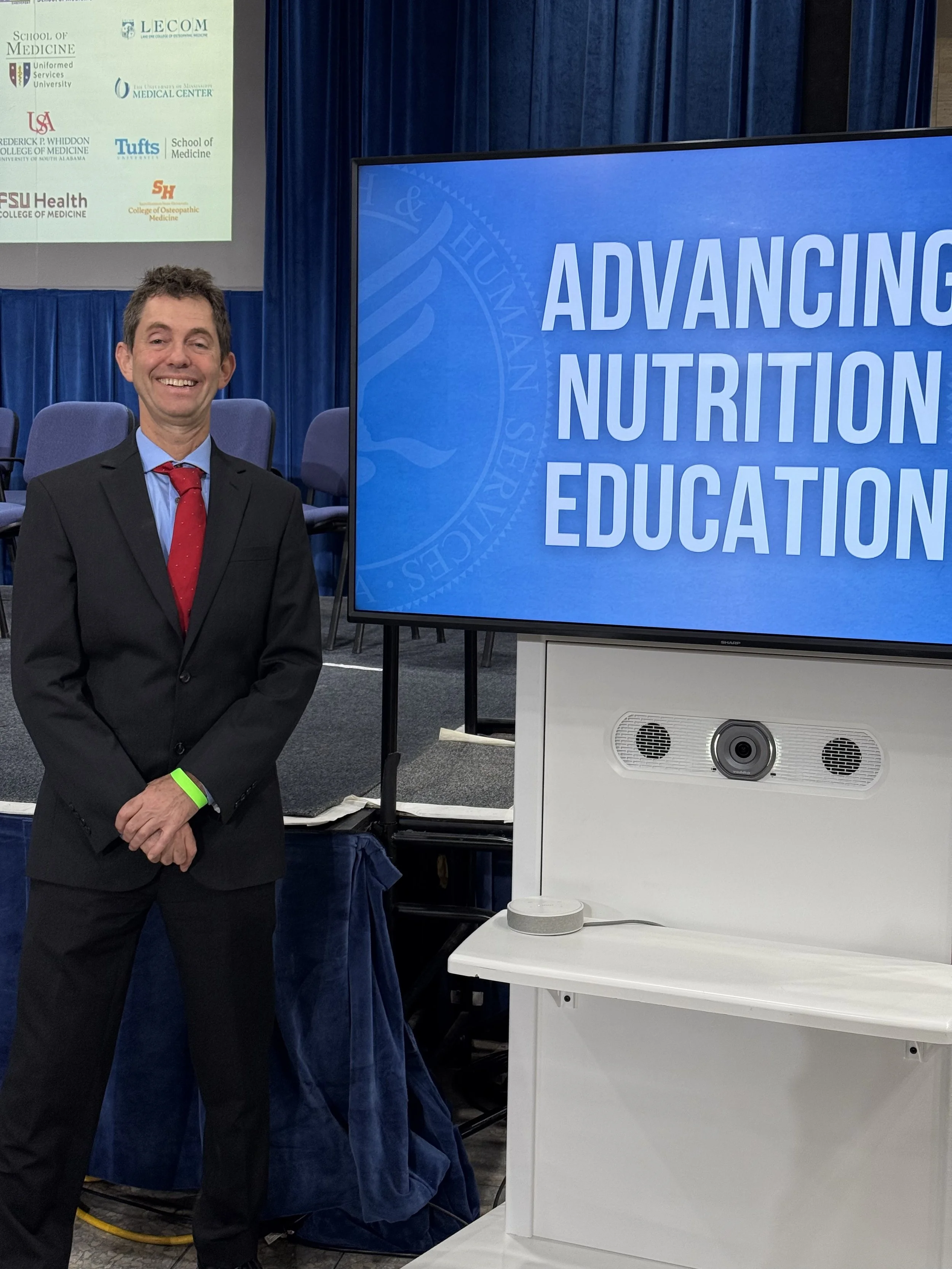
Nutrition education for medical professionals also emerged as a high priority, with 84% support.
We are currently building partnerships with key organizations in both of these areas as we prepare to roll out initiatives.

We Keep Learning
We’ve been inspired by the growing-edge research on food systems impacts and potential places and ways for transformation. We keep learning and will share these resources as well.